
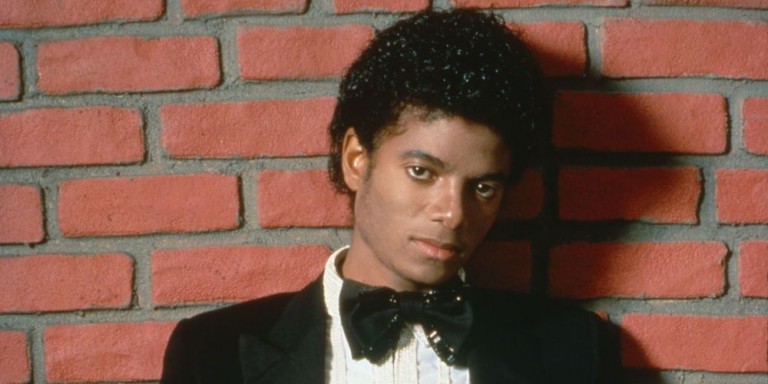
Let me preface this by saying that you won’t find new info here (outside of a slightly-extended sequence of my thoughts about Off the Wall). There also won’t be a track-by-track breakdown, because that’d clock in at over “ain’t nobody got time for that.” Michael Jackson’s been relevant musically for close to sixty years and has done just about everything imaginable. I know he’s amazing, you know he’s amazing, people the world over still faint over him almost twenty years after his death. People have apparently fainted even just seeing Jaafar Jackson play his uncle in the Michael biopic. While I don’t often get into “GOAT Talk,” Michael Jackson is THEE GOAT. That said, his Off the Wall album is the epitome of dope music in all its forms.
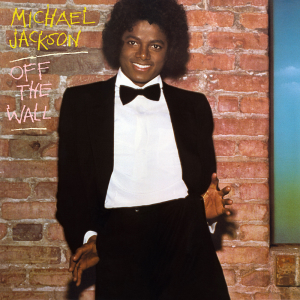
Released in 1979, Off the Wall is the end result of a young visionary using his own wings and power without the Motown Machine behind him. To be fair, we’d seen examples of that visionary spirit before this release. The Jacksons’ post-Motown albums featured Michael as the lead singer and songwriter for the group. We got to see and hear him dazzle listeners with his pen and his vocals, both with The Jacksons and as a solo artist in the early-to-mid-1970s. However, Off the Wall was the first solo album of his that wasn’t under the Motown umbrella. That, of course, allows it to be its own legendary thing.
While it’s a culmination of Jackson’s first decade or so in the game, it’s also something more.
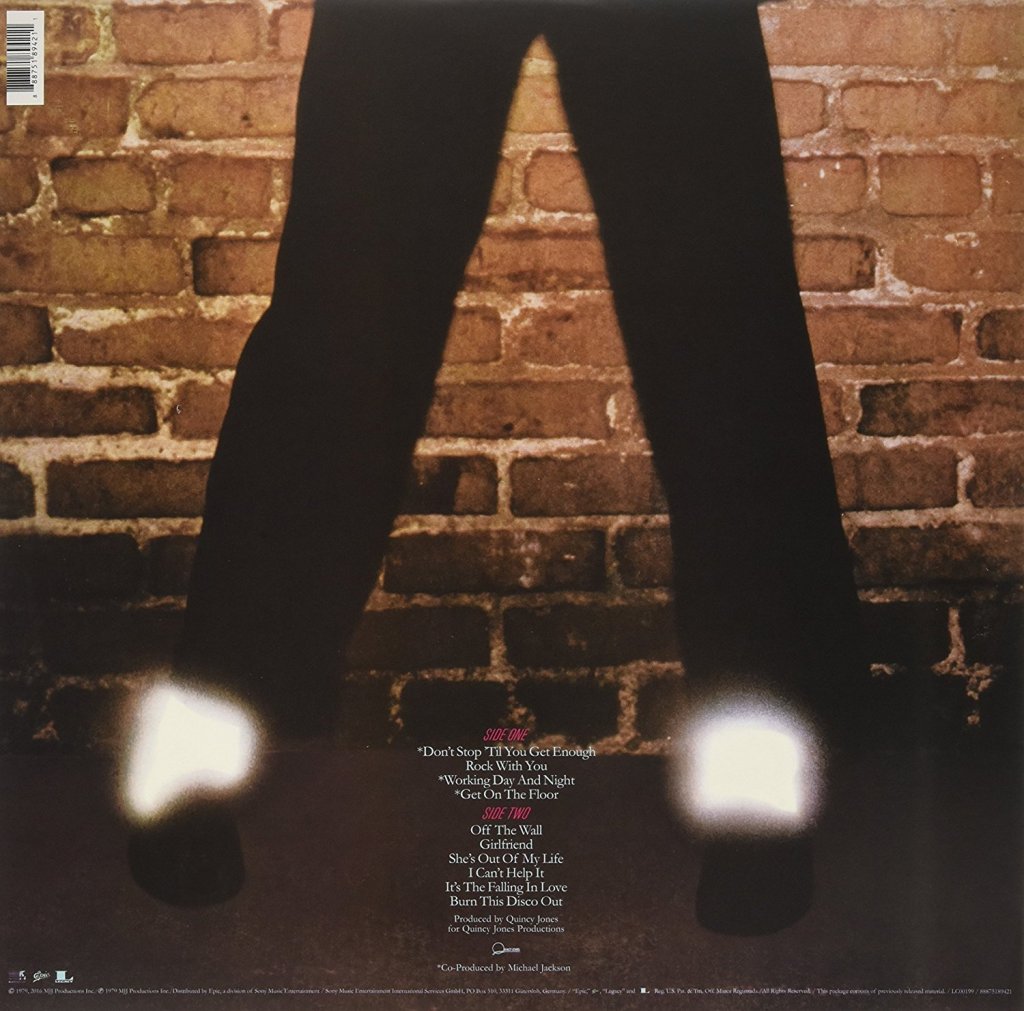
In many ways, Off the Wall is a rebellion against his earlier work. Specifically, it was a rebellion against his solo career to that point. The ten-song Quincy Jones-helmed album celebrates and oozes liberation, love, self-expression, the ability to find things that’ll make one “leave that nine-to-five up on the shelf,” and even raw, unfiltered sexuality in a way that we hadn’t heard Jackson express before this.
The album was his debut as an “official adult” artist, offering a sound less polished and “clean” sonically than his Motown solo albums. There are a lot of groove pockets placed throughout this album. Blending in a bevy of genres and sounds, Off the Wall is, also, some of the Blackest music he’s ever made. Through a mix of pop, yacht rock-like vibes, R&B, soul, funk, disco and even a dash of showtune-y energy, the album simply “hits different” than, say, Forever Michael or Ben. Mind you, there’s never been a (valid) argument against Jackson’s Blackness. After all, he’s a Motown-honed artist who’s always been “down” and has never denied his roots. Motown, in many ways, was the epitome of Black music from that era. There was never really any denying that Michael Jackson was a Black artist at his core. A Black artist who achieved a lot of crossover success as a solo act and a member of The Jacksons, but a Black artist all the same. That said, this is the album we got to see/hear just “how Black” Michael Jackson really was. And he doesn’t do it by saying simply saying “I’m Black, y’all.” In fact, he shows listeners rather than just flat out telling them.
From the intro of “Don’t Stop ‘Til You Get Enough” all the way through the defiant “Burn This Disco Out,” we hear an artist reveling in independence and freedom. All the while, he’s also embracing those who’ve come before him musically and otherwise. Jackson pours his heart out on songs like “She’s Out of My Life” and “It’s the Falling in Love,” both of which are more ballad-y that the rest of the album. We get to hear–and remember–that he can “sang.” “She’s Out of My Life” is one of my favorite songs by Jackson, as it’s so raw and so real. However, for all the “sanging,” we also see Jackson roar, swagger about, and put his stamp on the world, furthering the idea that this is a rebuke of his younger sound. To borrow a bit of Bobby DeBarge’s spoken intro on “I Call Your Name,” Off the Wall made it clear that MJ was “a man now, baby, a grown man.”
That’s especially true on songs like the title track, which has a vibe that could easily be placed into the Thriller era. It’s highly danceable, has a spooky tinge to it that somewhat matches Thriller’s namesake, and it’ll eventually cling to you, making you a slave to its rhythm. It also features Jackson delivering Rod Temperton’s lyrics in a way that makes you stand up and say “I see you, brotherman.” Plus, let’s be real: who doesn’t want to leave their job, relax, escape the grind and just…”be.” Also, Jackson’s harmonies on “Off the Wall” (the album as well) showcase an artist coming into his own and becoming more comfortable in his own vocal skin. “Rock With You” is a bop, plain and simple. There’s literally nothing I can say about it other than “it’s a bona fide classic in every sense of the word, so lemme shut up and let you listen.” Seriously, the song is perfection (to me).
On songs such as “Workin’ Day and Night,” we also see a man who’s confident in himself and his own vibes. In showcasing this, we get to see Jackson exude that sex appeal that I mentioned earlier on. He gets “freaky” without being vulgar, flirty without being overbearing, and “nasty” without being filthy. Speaking of that sex appeal, the one-two punch of “Workin’ Day and Night” and “Get on the Floor?” Man, I tell you. They may not be, pardon the cringe, “pantywetters” in the traditional sense. However, the way that those two songs pair together, especially their energies? I’m sure someone, somewhere, ended up preggers after hearing them at least once. I mean, people my age were getting it in to Lil’ Jon saying that “[sexing] never crossed his mind [until that night when he] saw something in you (shawty).” Anything’s possible if the feeling’s right, and the music’s tight–whether it be a disco night or otherwise.
When you look at the credits of Off the Wall, there’s absolute no wonder why Jackson’s comfortable in his own vocal space here. It’s a literal who’s who of music. I mean, the album puts the Stevie Wonder on background vocals (and writing duties) and has him on the same project as George Duke, Louis Johnson, Marlo Henderson, Randy Jackson on percussion, Paul McCartney, and so many others. On that note, if Prince’s self-titled 1979 album was his coming out party, Off the Wall does the same. Given how both albums play with maturation, Blackness and a bunch of funky melodies, it’s clear why people always compare and contrast the two. Personally, I think they’re both great and legends, so I try to steer away from pitting the two against each other. However, I get why some of you do it.
All in all, missing out on Off the Wall means one thing: you’re not an actual music fan. You don’t have to love it like I do. Hell, you don’t even have to love it, period. That said, it’s an album everyone needs to experience at least once in their lives. It’s a classic, regardless of what your favorite genre is. From classical to death metal, I’m sure you’ll find at least one thing that you can appreciate about it.


2 thoughts on “A Look Back at Michael Jackson’s ‘Off the Wall’”